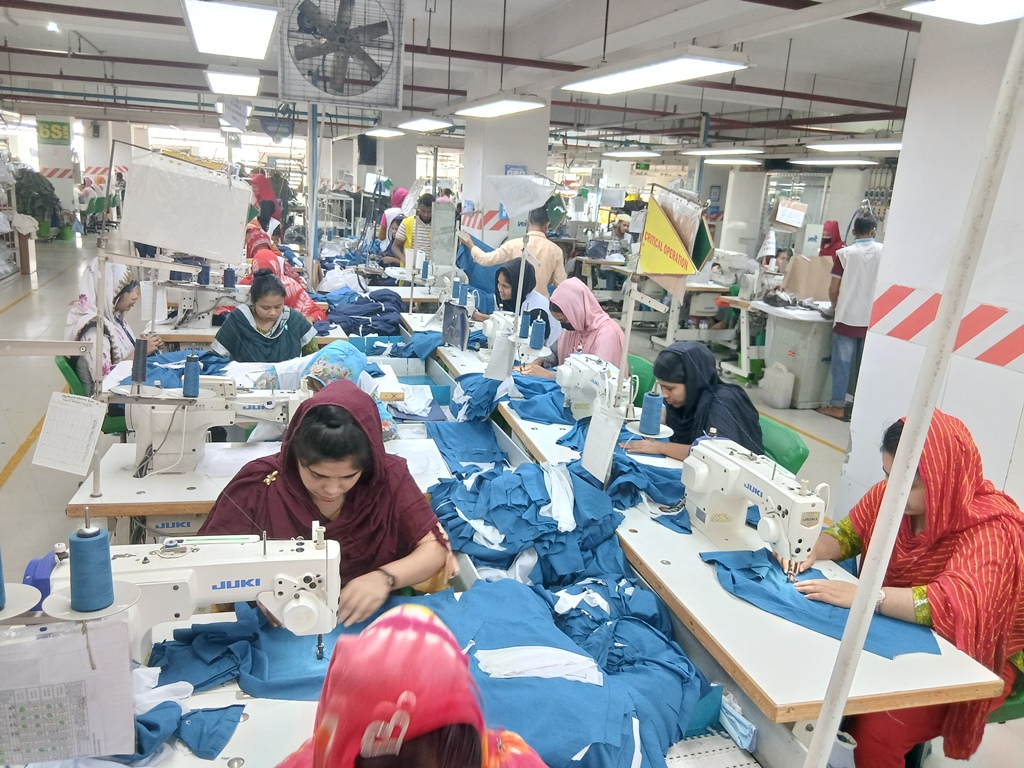
BQF During Production Inspection (DUPRO)
A During Production Inspection (DUPRO)—sometimes referred to as an In-Process Inspection—is executed when 10% to 30% of your production run is completed.
While a Final Random Inspection (FRI) acts as a post-mortem check, a DUPRO is a proactive quality management tool. It allows you to catch material inconsistencies, structural assembly issues, and machinery calibration flaws early in the cycle, ensuring that corrective reworks can be performed on the factory line without altering your final shipping timelines.
The Strategic Value of a DUPRO Inspection
[ Raw Materials ] ──> [ DUPRO: 10%-30% Done ] ──> [ Mass Production ] ──> [ Final Packaging ]
                             │
                             ▼
                (Early Defect Correction)
By examining the first finished pieces directly off the assembly line, BQF helps you avoid systemic production failures:
Identifies Root Causes: Pins down exactly which machine, mold, or line worker is introducing errors into the product loop.
Prevents Massive Waste: Halts defective manufacturing processes before thousands of raw material units are ruined.
Secures Delivery Timelines: Correcting processes at 20% completion allows the remaining 80% to be manufactured flawlessly, eliminating the need for massive end-of-run reworks that delay cargo shipment.
Core Areas Evaluated During a DUPRO Check
During an on-site DUPRO, a BQF quality engineer monitors the active manufacturing floor across several foundational pillars:
Inspection Dimension | Focus Area & Verification Methods |
Active Production Status | Verification of line capacity, daily output speed, and validation of the factory's real-time completion schedule. |
Semi-Finished Goods Review | Random sampling of components at intermediate assembly stations to check core joint strengths, internal alignments, or base materials. |
Finished Goods Workmanship | Inspection of the first 10% to 30% of completed units against your technical specifications, styling guides, and Golden Sample. |
Packaging & Labeling Check | Initial review of printed barcodes, shipping graphics, internal polybag dimensions, and carton strengths to prevent end-of-run packing bottlenecks. |
Main On-Site Tests Performed During DUPRO
The tests performed during a DUPRO mirror final inspection testing but emphasize machine and line process consistency:
1.Process Alignment & Calibration Check:Machine & Mold Validation.
Inspectors check active equipment configurations (e.g., kiln temperatures for ceramics, heat settings for plastic molding, or seam tensioners on apparel sewing lines) to ensure consistency with approved spec guides.
2.Batch-to-Batch Color Shading Check:Early Aesthetic Review.
Using a standard light box (D65/TL84), the first finished roll of fabric, plastic casing, or dyed yarn is checked against the approved master sample to ensure no unexpected color drift has occurred during the initial scale-up.
3.Early Sizing & Critical Dimension Matrix:Fit & Tolerance Verification.
Inspectors measure the first finished run of products against technical design specifications. For multi-component assemblies, this ensures that individual pieces fit together seamlessly without friction gaps or structural loose tolerances.
4.Basic Functional Run & Performance Check:Functional Proof of Concept.
A targeted sample size is plugged in or put to use to verify that internal circuit boards, mechanical hinges, or structural seams perform basic tasks smoothly without overheating, cracking, or stalling out early.
Defect Handling & Corrective Action Plans (CAP)
Unlike an FRI report, which simply passes or fails a batch, a BQF DUPRO report provides an actionable engineering roadmap. If defect counts exceed your Acceptable Quality Limit (AQL) benchmarks, our inspectors work with the factory management to establish an immediate Corrective Action Plan (CAP):
Defect Isolation: The factory must separate all semi-finished and finished units currently flagged with errors.
Process Adjustment: Production engineers must adjust toolings, train operators, or switch out problematic raw material lots.
Re-Evaluation: BQF logs the factory's commitments, providing you with real-time photographic evidence and data to decide whether to authorize the continuation of the mass production run.
The BQF Advantage: Waiting until 100% of production is complete to discover a structural error means you are stuck negotiating reworks with a reluctant factory under tight delivery stress. BQF’s DUPRO puts the control back in your hands while the line is moving, saving your margin and your reputation.