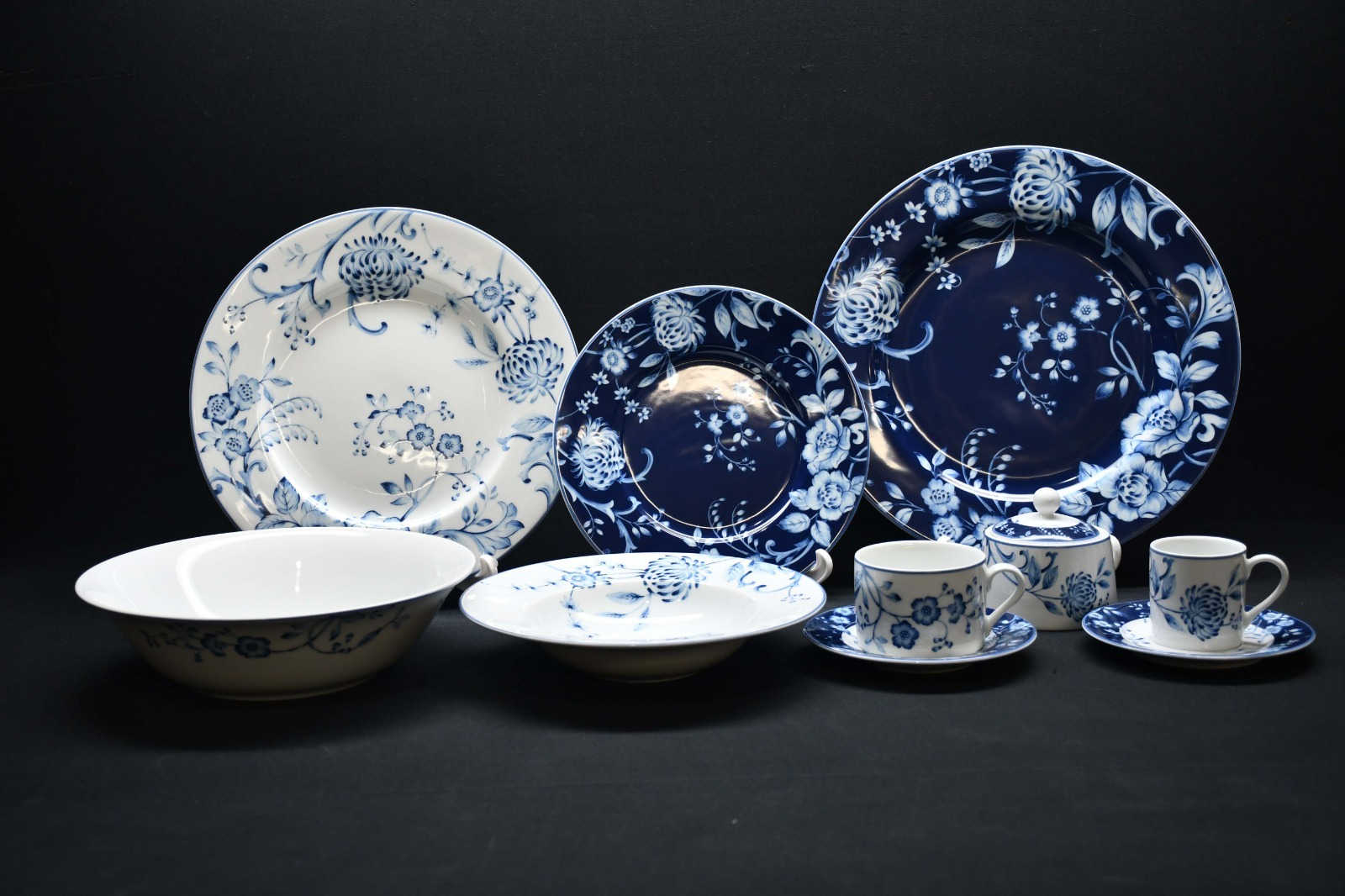
BQF Ceramics Inspection & Quality Control Standards
The term "ceramics" covers a diverse range of products. From a scientific standpoint, ceramics are inorganic, refractory, and non-metallic materials divided into two main classes:
Traditional Ceramics: Includes cement, clay products, and silicate glass.
Advanced Ceramics: Materials composed of pure oxides, nitrides, non-silicate materials, and carbides designed to be highly corrosion and heat-resistant.
In consumer markets, ceramics are essential for manufacturing hundreds of everyday items, including pottery, dinnerware, home electronics, appliances, lenses, windows, glassware, magnets, and microwave transducers.
For construction and design, products like ceramic tiles, glazed ceramic wall tiles, ceramic mosaic tiles, quarry tiles, and paver tiles require strict quality control testing to meet precise product specifications.
Global Standards & Testing Protocols
BQF is the industry leader in inspection and quality control services for ceramic products across Asia. Our quality control protocols are built strictly around the most relevant international standards, including ASTM (American Society for Testing and Materials) guidelines.
During a standard BQF ceramics inspection, key performance and safety tests include:
Structural Integrity: Ceramic tile strength and dimensional stability.
Surface Resistance: Abrasion resistance, chemical resistance, and slip resistance.
Environmental Tolerance: Water absorption, frost resistance, and the linear coefficient of thermal expansion.
Why Choose BQF?
While an importer's unique specifications and defect lists are vital to an inspection, BQF provides a distinct advantage through our comprehensive, built-in internal testing checklists.
Because our experts already understand the expected defects and structural vulnerabilities of ceramic products, we know exactly what to check before we even receive your feedback. Once you provide your specific project requirements, we seamlessly tailor our existing frameworks to match your exact needs.
Defect Classification & Sample Checklist
To ensure objective evaluation, BQF classifies all potential product flaws into three strict categories. Below is an overview of how defects are prioritized during an on-site inspection:
Defect Classification | Description | Inspection Action |
Critical Defect | Flaws that jeopardize user safety or violate regulations (e.g., sharp jagged edges, toxic glaze). | Automatic Lot Rejection |
Major Defect | Structural or severe cosmetic failures that reduce product function or marketability (e.g., severe cracking, uneven dimensions). | Fails Quality Threshold if counts exceed AQL limits |
Minor Defect | Small cosmetic imperfections that do not affect function or safety (e.g., slight color variation, tiny surface pinholes). | Recorded & Monitored against acceptable limits |
Ready to customize your checklist? BQF integrates your specific tolerance levels directly into our digital reporting system, giving you real-time data on your production run.